


Every parent has been there. Your four-year-old is taking five full minutes to button a shirt. Your toddler insists on pouring water into a glass, even though you know half of it will end up on the table. Your instinct is to step in and “help.” But according to the Montessori philosophy, those small moments are not inconveniences. They are opportunities for children to build confidence, patience and real-life skills.
Developed by Italian physician and educator Dr. Maria Montessori in the early 1900s, the Montessori approach is based on a simple but powerful belief: children are naturally curious and capable of learning when they are given the right environment and the freedom to explore. Instead of adults constantly directing learning, Montessori encourages parents and teachers to become careful observers, guiding only when necessary.
You don’t need expensive material
Although Montessori schools have become increasingly popular around the world, experts point out that parents do not need expensive materials or a specially designed classroom to bring Montessori into everyday life. In fact, many of its core principles can be practiced at home through small, intentional changes in the way adults interact with children.
Here are 8 Montessori-inspired principles that can help children become more independent, resilient and self-motivated.
Don’t help with what children can do themselves

“Never help a child with a task at which he feels he can succeed.” This is one of Maria Montessori’s best known ideas. For parents it can be a difficult sight to see their child struggling with something, say; tying their shoelaces or carrying their plate to the sink- however, every time an adult steps in too quickly, the child gets an unintentional message of thinking he isn’t capable.
When children are allowed to try difficult things, it helps them develop confidence and problem-solving skills.
Follow your child and not the schedule
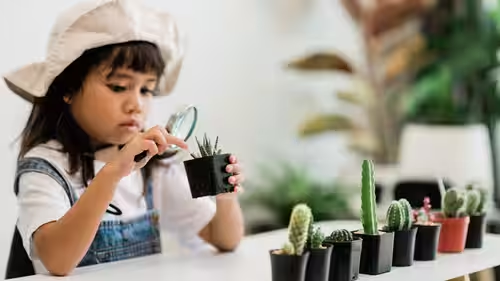
As far as Montessori education is concerned, parents are encouraged to observe their child before they instruct. Instead of deciding what a child should be interested in, parents can pay attention to what their child is naturally attracted towards. A child who may be interested in nature and science may keep asking questions about plants and animals. On the other hand, a child who may be interested in singing may be humming all the time. When parents identify these interests, they open meaningful opportunities towards learning.
Protect your child’s concentration
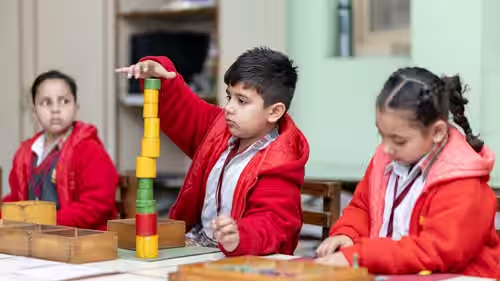
Dr. Maria Montessori viewed concentration as one of the foundations of learning. As parents, we have noticed children focusing on building blocks or drawing. At these times, interrupting a child to simply praise, ask questions or hurry them along can break that valuable focus. Giving children time to immerse themselves in an activity helps strengthen their attention span.
Create an environment that encourages independence
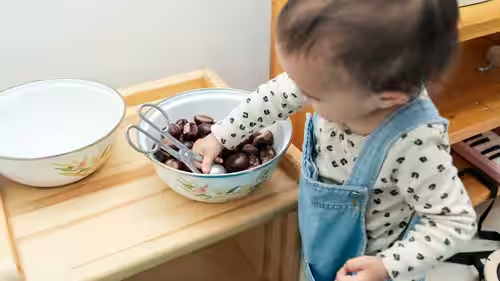
Children become independent when their environment allows them to be. Making educational and creative material accessible- such as placing books on lower shelves or keeping their clothes within reach promotes a sense of independence, and thus children tend to do more things on their own. A thoughtfully prepared environment often reduces the need for constant adult intervention.
Teach first and then step back
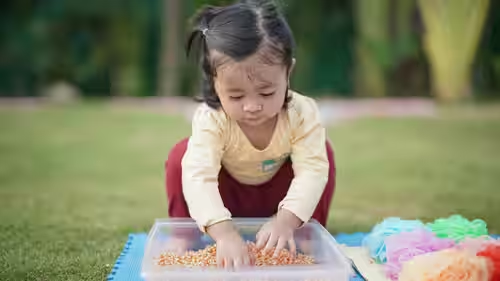
Children don’t need adults doing every step of a task for them- they just need demonstration. If you want to teach them how to put a zip on, show them how you do so- wear a jacket and zip it in front of them. Similarly, wash fruits in front of them, or plants in front of them. Once they understand the process, let them do it themselves because learning comes with practice and not through perfection.
Praise your child’s efforts more than their result
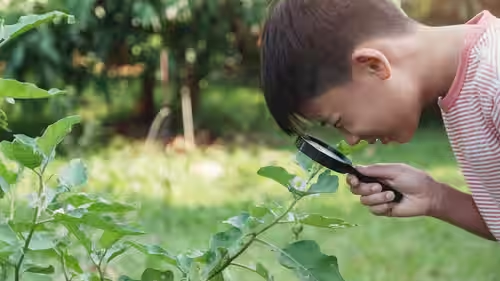
Instead of saying, “You’re so smart,” Montessori encourages adults to acknowledge the process. Comments like “You kept trying until it worked,” or “You worked really hard on that puzzle,” help children value persistence rather than seeking constant approval. Developmental psychology also states that how much efforts a child puts in tasks encourages their resilience and their willingness to tackle challenging tasks.
Give children meaningful responsibilities
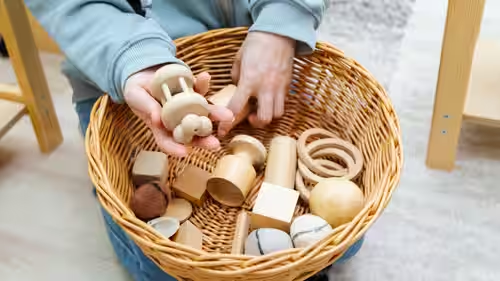
Many parents underestimate how much children enjoy helping. Simple responsibilities like setting the table, watering plants, feeding a pet or folding laundry allow children to feel like valued members of the family rather than passive observers. These everyday activities also strengthen practical life skills.
Respect each child’s pace

Every child develops differently. Some learn to dress independently at three, while others take longer. Some become early readers, while others develop stronger social or creative skills first. Comparing children often creates unnecessary pressure. Montessori reminds parents that development is a journey, not a competition.
Sometimes less is more

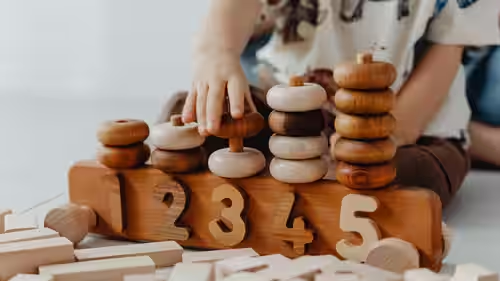
In the end, Montessori philosophy isn’t about giving children wooden toys or redesigning homes to enroll a child into a Montessori school. At its heart, Montessori asks adults to slow down, respect their child’s capabilities and observe their child to promote independence in everyday life. Because raising independent children isn’t about doing more for them. Often, it’s about knowing when to do a little less.
